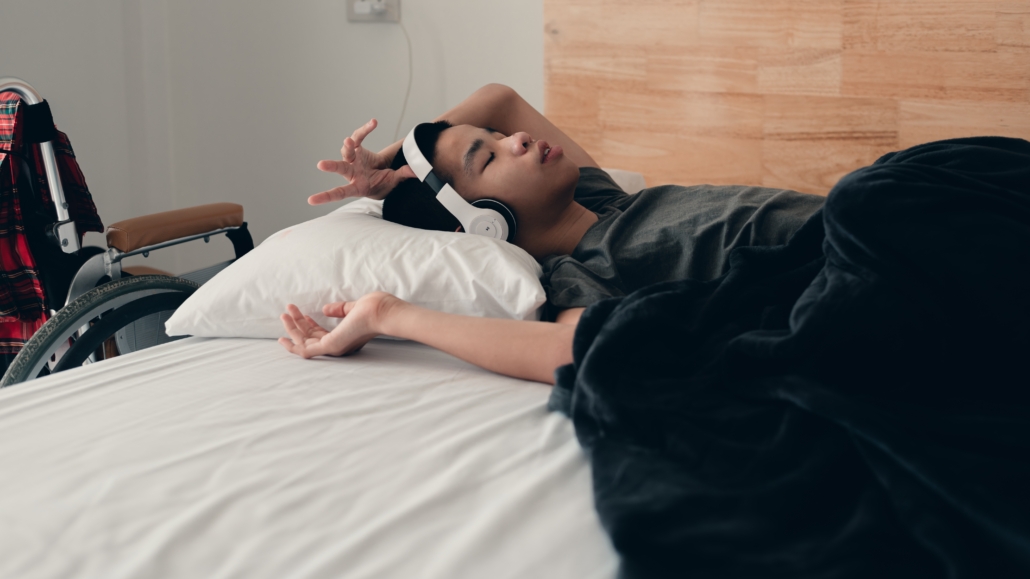
Struggling to sleep? Feeling tired during the day? You’re not alone.
Sleep is one of the most powerful tools for improving mental health, independence, and daily confidence, but it’s often the first thing that slips when routines feel off.
For young adults living with disability, good sleep isn’t just about rest. It’s about having the energy, focus, and motivation to live life on your terms.
Why Is Sleep so important?
Think of sleep as your body’s reset button.
While you sleep, your brain is:
- Processing what you learned during the day
- Resetting your mood and emotions
- Recharging your energy levels
- Supporting memory, focus, and decision-making
This is especially important if you’re working on:
- Building independence
- Learning new life skills
- Managing anxiety or stress
- Staying active and social
Without good sleep, everything feels harder.
With good sleep, everything becomes more manageable.
The Link Between Sleep, Confidence and Independence
Here’s something a lot of people don’t realise:
Sleep directly impacts your confidence.
When you’re well-rested, you’re more likely to:
- Try new things
- Stay patient when something is challenging
- Communicate more clearly
- Feel in control of your day
When you’re tired, the opposite happens – small tasks feel bigger, and motivation drops.
That’s why improving sleep is one of the easiest ways to boost independence without adding more pressure.
Why is sleep sometimes difficult?
If sleep feels hard, there’s usually a reason.
Common challenges include:
- Irregular routines
- Too much screen time at night
- Anxiety or overthinking
- Low daytime activity
- Napping too late in the day
The goal isn’t to “fix everything overnight”, it’s to make small changes that build better habits over time.
How do I build a better sleep routine?
Instead of trying everything at once, start with 1–2 of these:
Build a Routine Your Brain Can Trust
Going to bed at the same time each night helps your body know when it’s time to switch off. Over time, falling asleep becomes easier.
Create a Wind-Down Zone
Your brain needs a signal that the day is ending.
This could be:
- Listening to music
- Watching something calm
- Having a shower
- Doing a quiet activity
The key is consistency.
Rethink Screen Time
Phones and devices keep your brain alert when it should be slowing down.
Even small changes help. Try this: switch to something calmer 30 minutes before bed, or use night mode or reduce brightness
Use Your Day to Improve Your Night
Good sleep actually starts in the daytime.
Things that help:
- Getting outside (sunlight resets your body clock)
- Moving your body (even light activity helps)
- Staying socially engaged
Programs like Blue Tongue Adventure naturally support this by keeping your days active and meaningful.
Make Your Space Work for You
Small upgrades:
- Reduce noise or light
- Keep your bed comfortable
- Use your bed mostly for sleep (not scrolling)
Progress Over Perfection
Here’s the most important part: you don’t need perfect sleep – you need better sleep.
If you improve even one habit, you may notice:
- More energy during the day
- Better mood
- Improved focus
- Greater confidence
And those changes add up quickly.
How long will it take to fix my sleep?
Sleep is not just “rest”— it’s a foundation for independence, confidence, and wellbeing.
If you want to feel more in control of your day, start with your night.
Most people start to notice improvements in just 1–2 weeks after making small changes to their routine.
That might look like:
- Falling asleep faster
- Waking up less during the night
- Feeling more refreshed in the morning
The key is consistency.
Your body runs on something called a circadian rhythm (your internal body clock). When you go to bed and wake up at similar times each day, your body starts to naturally adjust. That means sleep becomes easier without forcing it.
What If I just can’t sleep?
Everyone has nights where sleep just doesn’t happen—and that’s okay.
Instead of stressing, try this:
- Get out of bed after 20–30 minutes
- Do something calm (low light, no screens if possible)
- Return to bed when you feel sleepy
Why?
Because lying in bed awake can train your brain to associate your bed with stress instead of sleep.
Sleep and Mental Health: What the Research Shows
Studies consistently show that poor sleep is linked to:
- Increased anxiety
- Lower mood
- Reduced emotional regulation
But the reverse is also true:
Improving your sleep can significantly improve mental wellbeing.
For young adults building independence, this is huge.
Better sleep can mean:
- More confidence in social situations
- Better engagement in programs
- Greater motivation to try new things
Building Better Routines That Actually Work
At Blue Tongue Adventure, we support young adults with disability to build:
- Daily routines
- Life skills
- Confidence in real-world settings
Coming to the program well-rested, means the crew is ready to take on the day’s challenges, whether it’s woodworking, a day out in the community, creating music or enjoying the company of other crew members.