Leaving school is a big moment. For some young people it feels exciting and full of possibility; for others, it can feel uncertain. Families often wonder, “What happens now?” or “Are they really ready?”
That’s where SLES (School Leaver Employment Supports) makes the difference.
At Blue Tongue Pathways we focus on the skills that help young people feel steady, confident and capable in the real world, long before we talk about employment pathways. These early foundations matter most, because they shape everything that comes next.
Routines That Bring a Sense of Stability
The transition from school to adulthood comes with a big shift: suddenly, the structure of the school day is gone. Many young people feel that loss of predictability.
Through gentle guidance, we help build simple routines, from arriving on time to planning how their day will unfold. We don’t rush this. Instead, we create consistent patterns that help reduce anxiety and show young people that they can manage their own day.
When routine becomes familiar, everything else gets easier.
Communication that Builds Confidence
One of the first skills we focus on is communication. Not the formal kind used in job interviews, but everyday communication that helps young people feel understood.
This looks like learning to speak up when something doesn’t feel right, practising how to ask for help and becoming more comfortable in group conversations. Sometimes it’s as simple as greeting a café worker or ordering lunch independently.
These small moments gradually build a young person’s voice, and with it, their confidence.
Learning to Navigate New Situations Calmly
Many families tell us their biggest worry isn’t whether their young person can learn new skills, it’s whether they can cope when something unexpected happens.
That’s why emotional regulation is such a major focus early on.
We teach practical ways to stay settled when a plan changes, a space gets busy, or something unfamiliar pops up. The Blue Tongue Pathways team model calm responses, support quiet breaks when needed, and celebrate the moments when something that once felt overwhelming is achieved.
These “calm confidence” skills are what make new experiences possible, not just on SLES days, but in everyday life.
Feeling Comfortable Out in the Community
A big part of growing into adulthood is feeling like you belong in your community.
Our SLES approach uses real outings to help young people find that sense of comfort. Whether it’s catching public transport, visiting local businesses, joining group activities or exploring new places, every outing is a chance to practise independence in a way that feels natural and supported.
For some, the first win is simply stepping into a new environment without hesitation. For others, it’s striking up a conversation or taking the lead in choosing the day’s activity. Both are milestones worth celebrating.
Problem-Solving in Everyday Moments
One of the most valuable skills we build is everyday problem-solving. It doesn’t have to be complex. Sometimes it’s deciding what to do when plans change. Other times it’s figuring out how to split up tasks during a group activity or making a quick decision about the best route to take.
These small challenges teach flexibility, resilience and decision-making – the real-world skills that matter most as young people move toward work or further training.
Real Outcomes: What Our SLES Participants Are Achieving
At Blue Tongue Pathways, progress looks different for every young person. Currently, 9 of our 15 SLES participants are engaged in work experience, 3 are in paid employment, and 12 have chosen to stay with the service for more than a year, reflecting the value of consistency, trust and steady skill-building.
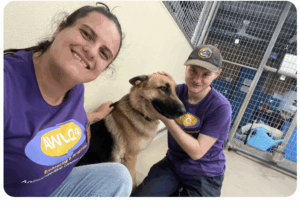
Jamie joined SLES in 2024 with goals of working in the rail industry but limited confidence navigating next steps. Through targeted support, he has completed relevant certificates and licences and is close to entering the job application stage. He has also volunteered with the Animal Welfare League for over two years, where he is recognised as an exemplary volunteer. Freddy began with Blue Tongue Pathways three years ago and has since grown from needing significant prompting to working independently during his work experience at the Blue Tongue Pantry, arriving on time and completing tasks confidently and to a high standard.
What Makes Blue Tongue Pathways’ SLES Approach Different
Our SLES program meets young people where they’re at, starting with confidence, independence and everyday life skills before moving toward employment pathways. Through personalised planning, we build skills such as communication, self-care, travel training, money management, workplace rights and self-advocacy, all practised through real routines and community experiences.
As confidence grows, participants explore “try and test” work experience aligned with their interests, supported by strong community partnerships. Success at Blue Tongue Pathways is measured by growing confidence and capability, not just job outcomes — because when young people feel capable in everyday life, employment becomes a natural next step.
Building Momentum for the Year Ahead
As we head into a new year, these early SLES foundations set young people up for success. Communication, routine, emotional regulation, community confidence and problem-solving all work together to help them feel capable and ready for the next chapter, whatever that may look like.
Blue Tongue Pathway’s SLES approach is simple: start with the skills that matter every day, build confidence through real experiences and support each young person at their own pace.
If you’d like to talk through SLES options or plan ahead for 2026, we’re here to help whenever you’re ready.