Posts

What is SLES and who is it for?

School Leaver Employment Supports (SLES) is an NDIS-funded program designed to support young people in the years after finishing school. It helps build the skills, confidence and independence needed for adulthood, whether that leads to employment, further training, volunteering or greater community participation.

Is SLES only about getting a job?

No. While employment may be a long-term goal, SLES focuses first on the foundational life skills that make work possible later. This includes routine, communication, emotional regulation, social skills, confidence in the community and problem-solving.

My child isn’t ready for work yet. Is SLES still appropriate?

Absolutely. Many young people are not ready to move straight into employment after school,  and that’s okay. Blue Tongue Pathways SLES programs meets young people where they are, helping them build confidence and independence at their own pace. Being “work-ready” often starts with feeling comfortable in everyday life.
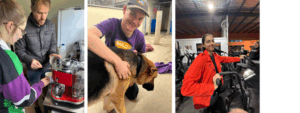
 

Blue Tongue Pathways SLES participants doing work experience as a barista, animal welfare volunteer and local gym volunteer.

How long does SLES usually run for?

SLES is typically funded for up to two years under the NDIS, but the focus and pace can vary depending on the individual. The goal is steady progress, not rushing outcomes. Skills built early often make the biggest difference long-term.

What kinds of skills are actually taught in SLES?

Blue Tongue Pathways supports practical, real-world skills such as:

  • Building daily routines and structure
  • Communicating needs and preferences
  • Managing emotions and coping with change
  • Navigating community settings confidently
  • Solving everyday problems and making decisions

These skills support independence across all areas of life.

How is SLES different from school programs?

Unlike school, SLES focuses on adult life skills in real-world environments. Learning happens through community outings, group activities and practical experiences rather than traditional classrooms or timetables. This helps young people apply skills naturally and meaningfully.

How do I know if a SLES provider is the right fit?

A good SLES provider will:

  • Take time to understand your young person
  • Move at a comfortable, individual pace
  • Focus on confidence and wellbeing, not just outcomes
  • Communicate clearly with families
  • Use real-life experiences, not just theory

Trust, consistency and connection matter just as much as skill-building.

What happens after SLES finishes?

SLES helps create momentum for the next step,  which might be employment, further training, volunteering or other NDIS supports. The confidence and independence gained during SLES often make future transitions smoother and more successful.

How do we get started with SLES at Blue Tongue Pathways?

If your young person has SLES included in their NDIS plan, you can contact us to talk through options and timing. If you’re planning ahead, we’re happy to help you understand what SLES could look like and when to begin.
Leaving school is a big moment. For some young people it feels exciting and full of possibility; for others, it can feel uncertain. Families often wonder, “What happens now?” or “Are they really ready?”

That’s where SLES (School Leaver Employment Supports) makes the difference.

At Blue Tongue Pathways we focus on the skills that help young people feel steady, confident and capable in the real world,  long before we talk about employment pathways. These early foundations matter most, because they shape everything that comes next.

Routines That Bring a Sense of Stability

The transition from school to adulthood comes with a big shift: suddenly, the structure of the school day is gone. Many young people feel that loss of predictability.

Through gentle guidance, we help build simple routines,  from arriving on time to planning how their day will unfold. We don’t rush this. Instead, we create consistent patterns that help reduce anxiety and show young people that they can manage their own day.

When routine becomes familiar, everything else gets easier.

Communication that Builds Confidence

One of the first skills we focus on is communication. Not the formal kind used in job interviews, but everyday communication that helps young people feel understood.

This looks like learning to speak up when something doesn’t feel right, practising how to ask for help and becoming more comfortable in group conversations. Sometimes it’s as simple as greeting a café worker or ordering lunch independently.

These small moments gradually build a young person’s voice, and with it, their confidence.

Learning to Navigate New Situations Calmly

Many families tell us their biggest worry isn’t whether their young person can learn new skills, it’s whether they can cope when something unexpected happens.

That’s why emotional regulation is such a major focus early on.

We teach practical ways to stay settled when a plan changes, a space gets busy, or something unfamiliar pops up. The Blue Tongue Pathways team model calm responses, support quiet breaks when needed, and celebrate the moments when something that  once felt overwhelming is achieved.

These “calm confidence” skills are what make new experiences possible, not just on SLES days, but in everyday life.

Feeling Comfortable Out in the Community

A big part of growing into adulthood is feeling like you belong in your community.

Our SLES approach uses real outings to help young people find that sense of comfort. Whether it’s catching public transport, visiting local businesses, joining group activities or exploring new places, every outing is a chance to practise independence in a way that feels natural and supported.

For some, the first win is simply stepping into a new environment without hesitation. For others, it’s striking up a conversation or taking the lead in choosing the day’s activity. Both are milestones worth celebrating.

Problem-Solving in Everyday Moments

One of the most valuable skills we build is everyday problem-solving. It doesn’t have to be complex. Sometimes it’s deciding what to do when plans change. Other times it’s figuring out how to split up tasks during a group activity or making a quick decision about the best route to take.

These small challenges teach flexibility, resilience and decision-making – the real-world skills that matter most as young people move toward work or further training.

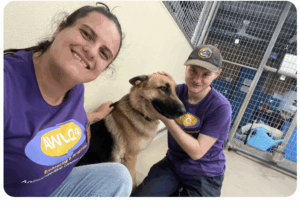
Jamie at his place of volunteer work at AWLQ

Real Outcomes: What Our SLES Participants Are Achieving

At Blue Tongue Pathways, progress looks different for every young person. Currently, 9 of our 15 SLES participants are engaged in work experience, 3 are in paid employment, and 12 have chosen to stay with the service for more than a year, reflecting the value of consistency, trust and steady skill-building.

Jamie joined SLES in 2024 with goals of working in the rail industry but limited confidence navigating next steps. Through targeted support, he has completed relevant certificates and licences and is close to entering the job application stage. He has also volunteered with the Animal Welfare League for over two years, where he is recognised as an exemplary volunteer. Freddy began with Blue Tongue Pathways three years ago and has since grown from needing significant prompting to working independently during his work experience at the Blue Tongue Pantry, arriving on time and completing tasks confidently and to a high standard.

What Makes Blue Tongue Pathways’ SLES Approach Different

Our SLES program meets young people where they’re at, starting with confidence, independence and everyday life skills before moving toward employment pathways. Through personalised planning, we build skills such as communication, self-care, travel training, money management, workplace rights and self-advocacy, all practised through real routines and community experiences.

As confidence grows, participants explore “try and test” work experience aligned with their interests, supported by strong community partnerships. Success at Blue Tongue Pathways is measured by growing confidence and capability, not just job outcomes — because when young people feel capable in everyday life, employment becomes a natural next step.

Building Momentum for the Year Ahead

As we head into a new year, these early SLES foundations set young people up for success. Communication, routine, emotional regulation, community confidence and problem-solving all work together to help them feel capable and ready for the next chapter, whatever that may look like.

Blue Tongue Pathway’s SLES approach is simple: start with the skills that matter every day, build confidence through real experiences and support each young person at their own pace.

If you’d like to talk through SLES options or plan ahead for 2026, we’re here to help whenever you’re ready.

As the 2025 school year wraps up, a lot of young people are asking the big question – what comes next?

Leaving school can feel exciting, but it can also feel a little uncertain. That’s where SLES (School Leaver Employment Supports) comes in. At Blue Tongue Adventure, we see it as the start of a new chapter filled with opportunity, confidence and, of course, adventure.

What is SLES?

SLES is a NDIS support designed to help young people with disability make the move from school into the world of work. It’s about building the skills, confidence and experiences that make you job-ready – at your own pace, in your own way.

Rather than jumping straight into a job, SLES gives you space to explore what you enjoy, what you’re good at, and what kind of work might suit you best.

What does SLES involve?

At Blue Tongue Adventure, our SLES program is hands-on, social and full of variety. No sitting in classrooms all day, we’re out learning through real experiences.

Some of the things you might do include:

  • Building practical job skills like time management, teamwork and communication
  • Visiting workplaces and talking to employers
  • Volunteering, or trying short work experience placements
  • Learning about money, travel ling independently, and creating healthy routines
  • Finding out what jobs match your interests and abilities

And because it’s Blue Tongue, there’s always a focus on fun, connection and confidence. You’ll meet great people, take part in group activities, and learn new things in a supportive, relaxed environment.

Why SLES matters

SLES isn’t just about getting ready for work, it’s about discovering who you are and what you want your next chapter to look like. It helps you build the foundation for your future, with the right support behind you.

We’ve seen so many young people grow through SLES. From shy school leavers finding their voice to confident young adults landing their first job. That’s what this program is all about.

How to get started

If you’re finishing school this year (or recently have) and have NDIS funding, you may be eligible for SLES. It usually sits under the Capacity Building section of your plan.

Our team can help you check your funding, understand your options, and set up a personalised program that fits your goals.

The best part? You don’t need to have it all figured out. We’ll explore it together, step by step.

Your next adventure starts here

Leaving school doesn’t have to feel scary, it’s the beginning of something amazing. With the right support and the right people around you, you can take that next step with confidence.

If you’re ready to find out more about SLES or want to chat about your goals for 2026, get in touch with Blue Tongue Adventure today. We’ll help you turn life after school into your next great adventure. Because your journey doesn’t end when school does, it’s just getting started.

The recent announcement that Centacare SEQ will close its disability hubs, including its well-known Social and Life Skills hubs, marks a significant change for many across the community. These hubs have, for years, been places where people could connect, grow, and feel supported – and their closure by mid-November 2025 has understandably created a sense of uncertainty for participants, families, and staff alike. 

Keeping Connected in the Community 

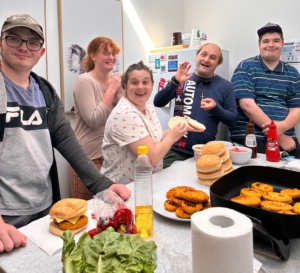
Five young adults stand at a kitchen bench where they are making burgers. There are chicken patties in a frypan, and buns and fresh salad ingredients on the bench. The people are laughing and happy.

If you, or someone you care for, has been part of a Centacare hub, it’s natural to feel concerned about what comes next – especially when it comes to friendships, routines, and ongoing support. The good news is, change doesn’t have to mean starting over. There are local options where you can continue to thrive, surrounded by the right people and opportunities. 

At Blue Tongue Adventure (BTA), we understand just how important daily structure, connection, and a sense of belonging really are. 

Our unique day program is built around exactly that. Blue Tongue Adventure, based in Brisbane and Toowoomba, specialises in creating fun, engaging, and skill-building programs that bring young adults together in a vibrant, welcoming space full of possibility. 

Our “crew” of 17 to 30-year-olds is spoiled for choice with a mix of creative, life skills, and social activities. No two days are ever the same. 

Here’s just a taste of what’s on offer: 

  • Cooking and café skills 
  • Art & Soul creative sessions including ceramics, painting, digital art, and theatre 
  • Health and wellness activities to build confidence and independence 
  • Pit Crew – basic car maintenance 
  • Garden maintenance and outdoor skills 
  • Woodwork workshops 
  • Industries – hands-on production of products such as body and room scents 
  • Community outings and adventures that build friendships and lasting memories 
  • School leavers employment support (SLES) 

Each program is thoughtfully designed to build capacity, boost confidence, and foster real community. Developed by young adults, for young adults, our activities are rooted in joy, capability, and genuine connection.  


A Bright Future Beyond Centacare

BTA

We know that finding the right environment – especially during times of change – can feel overwhelming. That’s why we make the transition to Blue Tongue Adventure as smooth and supportive as possible. 

If you’re considering a new option for yourself, your child, or someone you support, we’re here to answer your questions, listen to what matters most to you, and help you take the next step with confidence. 

  • Come for a tour and get a feel for our spaces, meet our team, and see our programs in action. 
  • Chat with us about how your current supports might translate into the BTA environment. 
  • Try BTA FREE For a Day, where you can try the activities, meet the crew, and see what makes BTA so special. 

Contact us to learn more via hello@bluetongueadventure.com.au or 1800 949 249 


For the Disability Support Workers Who Make It All Happen 

We know this change also affects the incredible staff at Centacare. For many, supporting others isn’t just a job – it’s a calling. If you’ve been part of that legacy and are now considering your next step, we’d love to talk to you. 

At Blue Tongue Adventure, we’re always on the lookout for kind, creative, and community-minded support workers who bring heart to their work. We offer a supportive and dynamic environment where your skills and energy truly matter. 

Contact our HR team on changeyourfuture@forcare.net.au or 1800 367 227 

The stage is set for a dazzling event – our 2025 creative showcase, the Blue Tongue Jamboree, will light up the night on Friday 30 May!  

This evening of artistic expression combines our annual art show with the debut performance for our theatrical program. The night will see Blue Tongue Crew members from Toowoomba and Brisbane uniting to exhibit their works of art, and take to the stage in a spectacular display of singing, dancing, and performance. 

In our inaugural term of The Blue Theatre Company, Crew members have been exploring performing arts through programs facilitated by Jack Twelvetree and Laura Shaw – accomplished actors, and graduates of the Western Australian Academy of Performing Arts. It has been a collaborative process, guided by the Crew’s own interests and preferred pursuits, with incredible energy, expression and enjoyment on show in the weekly workshops. 

The art exhibition component of the night will reflect the culmination of a diverse range of artistic workshops through our Art + Soul program. In these weekly workshops, our Blue Tongue Crew members explore their creativity through a range of art media, taking inspiration from a variety of sources and channeling it into incredible works. 

Join us for a night of creative expression, accompanied by drinks, canapés, community, and celebration of the artistic achievements of our Blue Tongue Adventure Crew. 

Blue Tongue Jamboree  
 
Friday 30 May 

Blue Tongue Collectables – 260 Tingal Road Wynnum 

(Transport to be provided for the Toowoomba crew) 

RSVP details coming soon. 

Read all about it – we’re front-page news!

Christian and Amanda from our Wynnum Blue Tongue Crew, along with Chef Allan from Blue Tongue Kitchen cooking school, are featured on the front page of the March edition of The Community Leader newspaper, as well as in their digital edition.

Thanks to The Community Leader for their wonderful article, which we’re sharing here.

Food brings people together.

Blue Tongue’s inclusive kitchen/café initiative serves up amazing gourmet goodies to appreciative locals from their Thorneside kitchen, uniting the community in the name of good food!

Each week, under the expert guidance of legendary Chef Allan, participants in Blue Tongue’s disability programs are learning culinary skills that are practical and confidence-boosting. On the weekends, the kitchen is abuzz with cooking workshops open to anyone willing to put on an apron and learn new skills. This month, children are invited to book an Easter cupcake-making class – more about that here.

Blue Tongue Kitchen (where cooking classes are held), alongside the organisation’s café Blue Tongue Pantry, serves up hearty helpings of community spirit and delicious food and is an asset to our vibrant local food scene.

We’re fortunate to be able to indulge in just about any type of cuisine we’re craving any day of the week, thanks to the creativity and talent of our local menu-makers. So, cheers to all the wonderful, hardworking cooks, chefs, and their teams who drive the diverse food scene that continues to grow throughout our suburbs and bring us together. Bon appétit!

Pictured: Christian Occhipinti, Chef Allan Groat and Amanda Whittle at Blue Tongue Kitchen, Thorneside.

If you’re looking for unique and socially conscious gift ideas this festive season, the crew at Blue Tongue Adventure Wynnum has been working on a range of artisan creations, perfect for placing under your tree for someone special. 

A young man wearing an apron stands at a kitchen bench, tying labels onto jars of pickled preserves.

Nathan puts the finishing touches on delicious preserves at Blue Tongue Kitchen.

The Blue Tongue Crew has whipped up a range of delicious pickles, chutneys and relishes, as part of their capacity-building cooking workshops at the award-winning Blue Tongue Kitchen cooking school, under the expert guidance of Chef Allan. These preserves are ideal for festive season charcuterie platters, thoughtful gifts – or even to add some extra flavour to those post-Christmas leftovers! 

If you’re shopping for someone who deserves a luxurious treat, browse the Blue Tongue Industries range of home, bath and body products. The range includes candles, soaps, scrubs, body washes and lotions, all crafted and packaged by the Blue Tongue Crew. 

The Cooking and Industries workshops are just some of the activities on offer at Blue Tongue Adventure’s disability support day programs for young adults.  These workshops help to hone skills such as reading recipes and following procedures. Proceeds from the sale of the products are re-invested back into the programs.  

Check out the range on the shelves at Blue Tongue Pantry cafe, 100 Mooroondu Road Thorneside, opposite Beth Boyd Park. 

Nineteen-year old Nick Webster is a young man with a clear career focus already! He loves all things IT, from repairing computers, to computer networking, and he has goals to study for IT qualifications and eventually run his own business.  

But he knows there are a few areas where he’ll need a little extra support to achieve his goals.  

That’s where his NDIS-funded School Leaver Employment Supports (SLES) with Blue Tongue Pathways come in. 

Nick sits at a table with various pieces of computer equipment in front of him. He has a piece open and is fixing the inner workings of the computer.

First Steps on the Pathway

Working closely with Nick, Blue Tongue Pathways Coordinator Christina Renata has found a supportive work experience environment where he can develop the particular skills he needs around routines, organisation and time management. That has led to him taking his first steps at All Styles Gym Toowoomba. 

“It’s helping me understand health, and getting into the routine of working, and the mindset of how much I can do before burnout. It’s a ground point of where to start,” Nick explains. 

He attends each Tuesday, and has a regular list of tasks to complete, including cleaning and preparing equipment and organising the space.  

“I like to challenge myself. It used to take me an hour, but now it only takes me 30 minutes to complete the entire gym,” Nick says proudly. 

“It’s challenging, but it’s good. I appreciate the routine, and I don’t need anyone to tell me what to do anymore, I know what I have to do to get all my work done.” 


Progress in a Supportive Space

Christina says the gym is a wonderfully inclusive environment for Nick to develop his workplace skills.  

“Michael, who runs the gym, is actually legally blind. So, it’s been good for Nick to see that your disability doesn’t have to define you. And Nick can feel comfortable here wearing his headphones for sensory comfort while he works,” she says. 

“Michael’s really fun,” Nick says. “He can be a bit strict, but that’s good for me with routines, as I can get a bit distracted.” 

With Nick making such strong progress, Christina is now investigating IT-related placements for him. 

Nick holds a punching bag steady so he can clean it.

“It’s important for our SLES participants to try different things,” she says. “I find they’ll either love the options, or hate them – but it’s good to try and know for sure.” 

Nick is also working steadily through small-group work at Blue Tongue Pathways, developing life and job skills. 

“Before SLES I had no idea how to do an interview, build a resume, or how to keep a routine or schedule. Now I’ve learned about time management, money management, and organisational skills. It’s fun too; we role play job interviews, and practice money management with Monopoly,” he smiles.  

“I’ve also made flow sheets for how to get my CCNA, which is a type of certificate in networking and IT,” Nick explains. 

“SLES has really helped with finding my direction.” 

With Blue Tongue Adventure, the fun doesn’t stop when the programs finish at 3pm on weekdays!  Our Blue Tongue Crew also loves getting involved with Saturday social events, and travel for people with disabilities, through Tea-cup Events

It’s another service offered by our parent provider, Tea-cup Cottage, offering young adults the chance to explore your interests, hang out with others your own age, and take steps toward independence. With a wide range of exciting adventures on the calendar, you’ll be counting down the days until your next event or getaway! 

Supported Travel with NDIS funding 

Tea-cup Events specialises in short getaways – usually overnight trips on weekends, plus they coordinate a few 3 or 4 night trips each year as well.  It’s a budget-friendly way to utilise your NDIS STA (Short Term Accommodation) funding, which can cover supports, accommodation, meals, some activities and some transport (eg – road transport can be covered, but plane tickets are an out-of-pocket expense).  You share supports based on your care ratio, so your funding goes further. Plus, it’s a great chance to make new friends, try new experiences, and take those first steps toward independence by spending time away from the family home. 

Some of the most popular events include: 

  • Farmstays – animal experiences, campfires, cosy cabins and fresh mountain air 
  • City staycations – a night in the bright lights of the big city! 
  • Whitsundays Cruise – four nights sailing the Queensland coast, with one full shore day in Airlie Beach 
  • Sea World Resort – explore the theme park, and enjoy resort facilities including the fabulous heated pool 

Saturday Social events 

Enjoy everything the local community has to offer! Tea-cup Events also coordinates a variety of Saturday Social events. There’s no overnight accommodation at these events, but there are still new things to see, places to explore, and people to meet. Concerts, festivals, sporting matches, theatre shows and more! You can even suggest events you’d like to attend, and the Tea-cup Events team can make it happen for you! 

Aligned with Your Goals 

If you have NDIS goals to increase your independence, develop your social skills and explore your community, Tea-cup Events can support you on the way, helping you grow your confidence.  You don’t even have to be in the Blue Tongue Crew to join in! Visit the website here to see what’s coming up, or email events@tea-cupcottage.com.au to find out more! 

In those final moments of a circuit workout, it’s common to see people puffing, exhausted, and maybe even struggling to complete the last few exercises. 

But not Deena Katawazi.  

With a broad smile on her face, Deena charges ahead of the pack in short sprints, and holds a ‘wall-sit’ position even longer than instructed.  It’s instantly clear that she loves exercise and fitness – and she has a firm career goal in this industry in mind. 

“I want to be a Personal Trainer”, she says confidently. “And I want to work here.” 

Deena holds a 'wall-sit' exercise position, with her back pressed against a wall and her knees bent. She is smiling.

Hands-on SLES Work Experience 

Deena has recently started regular work experience and familiarisation at Velocity Fitness and Health at Capalaba, as part of her NDIS-funded School Leaver Employment Supports (SLES) with Blue Tongue Pathways.  Taking part in circuit workouts helps her to learn about different exercises and the areas they target.  

“My favourite is the wall-sit,” she says. “It really works your leg muscles.” 

Deena’s work experience has also included helping to keep the gym clean and tidy, as well as shadowing other trainers as they lead high-intensity classes – and she can’t hide her enthusiasm to learn and do more. 

“She’s been a great team player, and is always keen to take on new tasks and learn to use all the equipment,” says Blue Tongue Pathways coordinator, Mitch Brennan. 

“We’ve received great feedback from Deena’s supervisor, and they rave about her positive, give-it-a-go attitude when helping to facilitate and participate in sessions.” 

Deena sprints across an open space at the gym. Other people in her exercise class can be seen around the edges of the image.

A Big SLES Step

For Deena, this work experience is a milestone step in her SLES journey with Blue Tongue Pathways, which supports young adults with disabilities to develop their job readiness skills. Her involvement in small group workshops has helped build towards this work experience by: 

  • developing independence skills, including numeracy and literacy to lay the groundwork for workplace skills 
  • learning about workplace skills in general, such as presentation, professionalism and work ethic 
  • studying the skills and requirements she’ll need to become a personal trainer.  

To hone her knowledge in fitness, health and wellness, Deena took online classes, and created workout and stretch routines, which she guided fellow participants and coordinators through.  

“Those workouts always got the blood pumping!” says Mitch.  

“And for Deena they required planning, practice, and leadership skills to deliver challenging but accessible classes to her peers.” 

To witness Deena in action in the gym, it’s clear she’s up for the challenge. She’s excited to get back to the gym each week for her work experience, and to constantly learn, grow, and go far in this industry. 

“It’s hard work,” she says, breaking into another huge smile. “But it’s so much fun!”